
News
China continues suspension of SA wool imports due to FMD
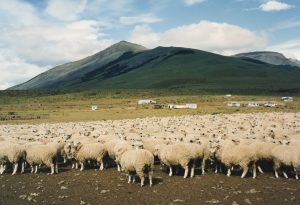
PORT ELIZABETH – China, the world’s largest importer of wool, has confirmed that the suspension of all wool imports from





PORT ELIZABETH – China, the world’s largest importer of wool, has confirmed that the suspension of all wool imports from
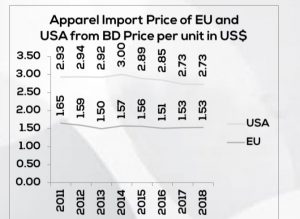
BUDAPEST – Unit prices for apparel imports to the US from Bangladesh fell by 7 per cent between 2014 and
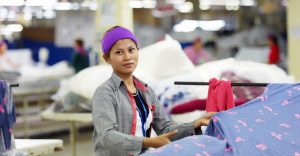
AMSTERDAM – Participants in the Dutch Agreement on Sustainable Garments and Textile (AGT) are, “well on the way to meeting

WASHINGTON – A leading US labour rights group is urging Nike put its weight behind the claims of Indonesian workers

DHAKA – The first ever female leader of Bangladesh’s powerful Bangladesh Garment Manufacturers and Exporters Association has vowed to boost
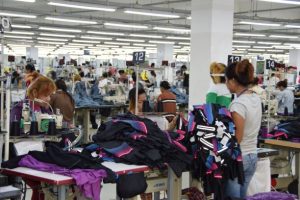
AMSTERDAM – Labour groups in Cambodia have written to leading brands including Puma, Nike, Adidas, Uniqlo, Levi’s and VF urging
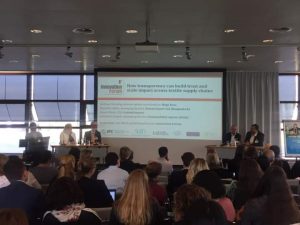
AMSTERDAM – A denim manufacturer from Bangladesh which supplies denim products to many of the world’s leading apparel brands has

LONDON – Leading civility society organisations have called on the UK government to bring in laws which would compel multi-nationals

LONDON – A new report has warned of the risks of cotton that was picked using forced labour in Turkmenistan




ARTEIXO – Sales jumped by ten per cent at the world’s largest fashion retailer, Inditex, in the first nine months of 2017, to €17.96bn. The
STOCKHOLM – H&M has taken a significant step towards increasing its share of the burgeoning Chinese apparel market by expanding its collaboration with Alibaba. H&M
WASHINGTON – US polyester manufacturers have applauded a decision by the US Department of Commerce to apply tariffs to fine denier polyester staple fibre (fine
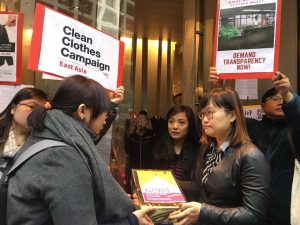
AMSTERDAM – A campaign led by Human Rights Watch, Clean Clothes Campaign, and International Labor Rights Forum is calling on Armani, Primark, Urban Outfitters, Forever
NEW YORK – Six leading apparel brands, Target, Esprit, New Balance, Puma, Gap Inc and Inditex, have shared their supplier lists with two NGOs, the US-based

We’re all ethical shoppers right? Well not quite. New research shows 78 per cent of us base our purchasing decisions mainly on price. The EY
