
News
Are fashion sector boards in touch on climate issues?
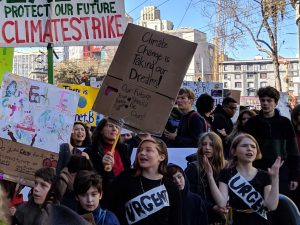
LONDON – As young people demonstrate globally about climate disruption, the May/June Apparel Insider magazine asks whether company boards at





LONDON – As young people demonstrate globally about climate disruption, the May/June Apparel Insider magazine asks whether company boards at
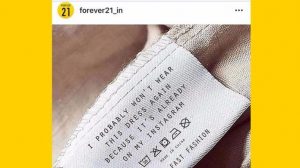
NEW YORK – US fast fashion brand Forever 21 has been slammed for using an anti-fast fashion artist’s image to

SYDNEY – Australian wool output is forecast to be down by 13 per cent for the 2018/19 amid ongoing drought

AMSTERDAM – Greenpeace is trialling a new standard to once again start making t-shirts, bags and other merchandise after previously

CALIFORNIA – As more brands look to scale up their use of hemp, its use will become increasingly economical –

WASHINGTON – The Fair Labour Association has issued guidance to members after independent research claimed North Korean forced labour is

TEXAS – A new standard is in the pipeline for mohair production, “in response to requests for stakeholders,” which include

STOCKHOLM – Sweden and France are proposing an EU ban on more than a thousand allergenic substances used in items

LONDON – Leading international apparel brands are moving rapidly towards cotton standards such as organic and Better Cotton – despite




ARTEIXO – Sales jumped by ten per cent at the world’s largest fashion retailer, Inditex, in the first nine months of 2017, to €17.96bn. The
STOCKHOLM – H&M has taken a significant step towards increasing its share of the burgeoning Chinese apparel market by expanding its collaboration with Alibaba. H&M
WASHINGTON – US polyester manufacturers have applauded a decision by the US Department of Commerce to apply tariffs to fine denier polyester staple fibre (fine
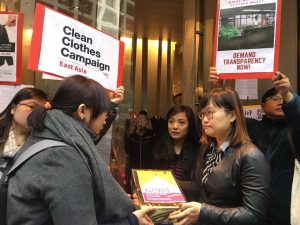
AMSTERDAM – A campaign led by Human Rights Watch, Clean Clothes Campaign, and International Labor Rights Forum is calling on Armani, Primark, Urban Outfitters, Forever
NEW YORK – Six leading apparel brands, Target, Esprit, New Balance, Puma, Gap Inc and Inditex, have shared their supplier lists with two NGOs, the US-based

We’re all ethical shoppers right? Well not quite. New research shows 78 per cent of us base our purchasing decisions mainly on price. The EY
