

News
Australian business to scale recycling for fibre blends
SYDNEY – An Australian tech business which uses a chemical separation process to recover cotton and polyester from used clothing





SYDNEY – An Australian tech business which uses a chemical separation process to recover cotton and polyester from used clothing

WASHINGTON – Leading global apparel trade bodies have written to the Cambodian Prime Minister Hun Sen urging him to address

HAMBURG – German retailer Tchibo has called for Europe-wide regulations to improve working conditions and wages in textile supply chains.

JYVÄSKYLÄ – A Finish workwear business is set to become the first company to use the ground-breaking textiles fibres of

BRUSSELS – The use of forced labour remains a “systemic problem” in the cotton fields of Uzbekistan, claims the latest

YANGON – Garment manufacturers in Myanmar are switching to renewable energy to boost sustainability. With a number of factories already

NEW YORK – PVH, which owns the Tommy Hilfiger and Calvin Klein brands, recorded revenues of nearly US$9.7bn for FY2018

BRUSSELS – A leading environmental impact tool for apparel needs updating to include the use and end of life phase

LONDON – New research claims to have found a significant risk of forced labour, child labour and child slavery in




ARTEIXO – Sales jumped by ten per cent at the world’s largest fashion retailer, Inditex, in the first nine months of 2017, to €17.96bn. The
STOCKHOLM – H&M has taken a significant step towards increasing its share of the burgeoning Chinese apparel market by expanding its collaboration with Alibaba. H&M
WASHINGTON – US polyester manufacturers have applauded a decision by the US Department of Commerce to apply tariffs to fine denier polyester staple fibre (fine
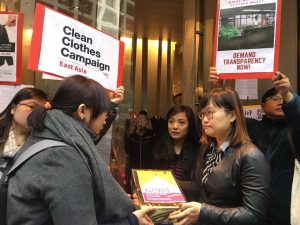
AMSTERDAM – A campaign led by Human Rights Watch, Clean Clothes Campaign, and International Labor Rights Forum is calling on Armani, Primark, Urban Outfitters, Forever
NEW YORK – Six leading apparel brands, Target, Esprit, New Balance, Puma, Gap Inc and Inditex, have shared their supplier lists with two NGOs, the US-based

We’re all ethical shoppers right? Well not quite. New research shows 78 per cent of us base our purchasing decisions mainly on price. The EY
