
News
Levi’s to slash China sourcing amid trade war
SAN FRANCISCO – Levi Strauss says it will shift sourcing away from China and – potentially – Mexico in the





SAN FRANCISCO – Levi Strauss says it will shift sourcing away from China and – potentially – Mexico in the
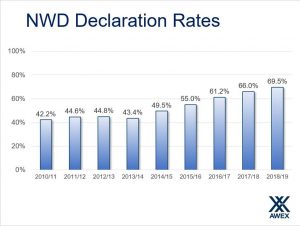
SYDNEY – Efforts to boost transparency in Australian wool supply chains are evidenced by new data which shows that almost

AARHUS – Smart technology which dyes fabric without the use of any water will be used for all the jerseys

BERLIN – A group of independent human rights defenders have called for the boycott by Western brands of Uzbek cotton
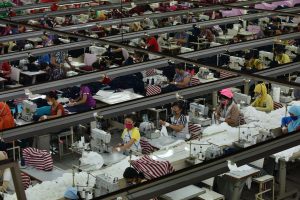
SHEFFIELD – Just 3 out of 20 leading global apparel brands investigated were found to have measures in their supply

LONDON – What’s the best cotton production method for farmers? Organic? Conventional? Better Cotton? We recently published research where we

WASHINGTON – The Trump administration has proposed tariffs on products from countries which are found to have undervalued currencies. The
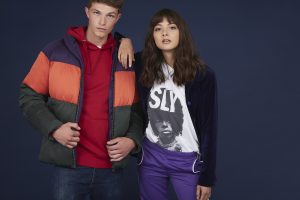
LONDON – Luxury brand, Ted Baker, tech specialist, Farfetch, and outdoor brand FW will pilot circular business models as part

NEW YORK – New figures show Bangladesh’s ready-made garment industry has the most green factories in the world – but




ARTEIXO – Sales jumped by ten per cent at the world’s largest fashion retailer, Inditex, in the first nine months of 2017, to €17.96bn. The
STOCKHOLM – H&M has taken a significant step towards increasing its share of the burgeoning Chinese apparel market by expanding its collaboration with Alibaba. H&M
WASHINGTON – US polyester manufacturers have applauded a decision by the US Department of Commerce to apply tariffs to fine denier polyester staple fibre (fine
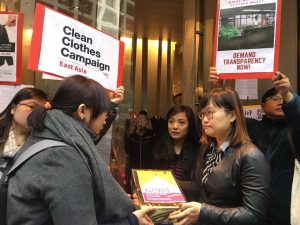
AMSTERDAM – A campaign led by Human Rights Watch, Clean Clothes Campaign, and International Labor Rights Forum is calling on Armani, Primark, Urban Outfitters, Forever
NEW YORK – Six leading apparel brands, Target, Esprit, New Balance, Puma, Gap Inc and Inditex, have shared their supplier lists with two NGOs, the US-based

We’re all ethical shoppers right? Well not quite. New research shows 78 per cent of us base our purchasing decisions mainly on price. The EY
