
News
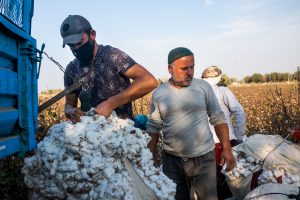
Land-grabs – the new red flag for Uzbek cotton sector
Apparel brands are said to be eyeing Uzbekistan as a potential source of cotton, particularly with Xinjiang cotton now the





Apparel brands are said to be eyeing Uzbekistan as a potential source of cotton, particularly with Xinjiang cotton now the

BERLIN – German Ministers have announced that new laws on due diligence in global supply chains will be passed before
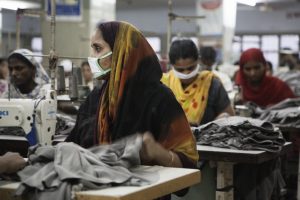
AMSTERDAM – Clean Clothes Campaign has called for an international safety agreement governing the global garment industry. The NGO claims

NEW YORK – One of the original instigators of the Science Based Targets Initiative (SBTi) and a member of its

SAN FRANCISCO – The Sustainable Apparel Coalition will require all members to develop a 3-year plan to deploy Higg Index

LESOTHO – A newly developed worker-centred programme based on the principles of the Bangladesh Accord is tackling gender-based violence and

TANGIERS – The longest-serving employee at the Moroccan garment factory where 28 people died last week had been working at

AMSTERDAM – The principles which underpinned the Bangladesh Accord could easily be applied to other garment production hubs – that’s

AMSTERAM – Four more industry associations – the Indonesian Textile Association (API), the Turkish Clothing Manufacturers Association (TCMA), the Istanbul




ARTEIXO – Sales jumped by ten per cent at the world’s largest fashion retailer, Inditex, in the first nine months of 2017, to €17.96bn. The
STOCKHOLM – H&M has taken a significant step towards increasing its share of the burgeoning Chinese apparel market by expanding its collaboration with Alibaba. H&M
WASHINGTON – US polyester manufacturers have applauded a decision by the US Department of Commerce to apply tariffs to fine denier polyester staple fibre (fine
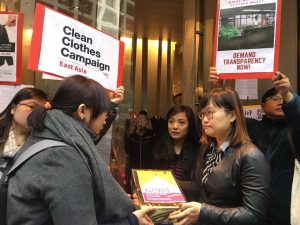
AMSTERDAM – A campaign led by Human Rights Watch, Clean Clothes Campaign, and International Labor Rights Forum is calling on Armani, Primark, Urban Outfitters, Forever
NEW YORK – Six leading apparel brands, Target, Esprit, New Balance, Puma, Gap Inc and Inditex, have shared their supplier lists with two NGOs, the US-based

We’re all ethical shoppers right? Well not quite. New research shows 78 per cent of us base our purchasing decisions mainly on price. The EY
