

News
Zara blurs lines between offline and digital
LONDON – A new store by Spanish fashion brand, Zara, potentially paves the way for a new shopping experience where





LONDON – A new store by Spanish fashion brand, Zara, potentially paves the way for a new shopping experience where
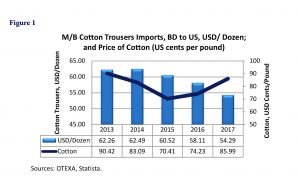
DHAKA – A twelve-month survey of 223 Bangladesh garment factory owners coupled with research on raw materials prices found that,

SHANGHAI – An independent audit claims to have found that globally leading Chinese viscose business, Sateri, has been sourcing pulp

KARACHI – Families affected by the Ali Enterprises garment factory fire of 2012 which killed more than 250 garment workers

HANOI – New figures suggest government agencies in Vietnam have become reluctant to license textile dyeing and finishing projects due

DHAKA – New research suggests the amount of wastewater generated by Bangladesh’s ready-made-garment industry could be set to rise more
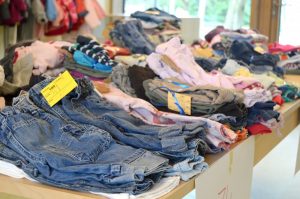
LONDON – New research claims the global market for used clothing is in danger of being flooded as demand fails
WASHINGTON – US retaliatory tariffs against China look likely to include textiles after the National Council of Textile Organisations (NCTO)

LONDON – Luxury brands LVMH, Hermès and Prada have been heavily criticised for a lack of transparency on human rights




ARTEIXO – Sales jumped by ten per cent at the world’s largest fashion retailer, Inditex, in the first nine months of 2017, to €17.96bn. The
STOCKHOLM – H&M has taken a significant step towards increasing its share of the burgeoning Chinese apparel market by expanding its collaboration with Alibaba. H&M
WASHINGTON – US polyester manufacturers have applauded a decision by the US Department of Commerce to apply tariffs to fine denier polyester staple fibre (fine
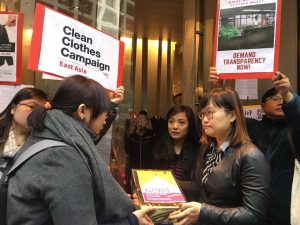
AMSTERDAM – A campaign led by Human Rights Watch, Clean Clothes Campaign, and International Labor Rights Forum is calling on Armani, Primark, Urban Outfitters, Forever
NEW YORK – Six leading apparel brands, Target, Esprit, New Balance, Puma, Gap Inc and Inditex, have shared their supplier lists with two NGOs, the US-based

We’re all ethical shoppers right? Well not quite. New research shows 78 per cent of us base our purchasing decisions mainly on price. The EY
