
News
H&M says collective bargaining key to better wages
STOCKHOLM – Swedish fashion giant H&M has responded to claims that it has reneged on a pledge to introduce living





STOCKHOLM – Swedish fashion giant H&M has responded to claims that it has reneged on a pledge to introduce living

ADDIS ABABA – Research by Apparel Insider has unveiled a decidedly mixed picture about the much-hyped Ethiopian textile market. The

DHAKA – Swedish retail giant IKEA has been accused of “free riding” on the back of investments by other Bangladesh

TEXAS – Organic cotton farming can improve yields while also impoving bi-divesity, according to La Rhea Pepper (pictured), an organic

JYVÄSKYLÄ – A Finnish business which converts wood pulp directly into textiles without using harmful chemicals has announced it will

GENEVA – Garment sourcing hubs Myanmar and Cambodia have been named among 24 countries that will come under scrutiny by

LONDON – US retail giant, Walmart, has been slammed in a report which claims women who work in Asian factories

WASHINGTON – Polyester producers from China, India, Korea and Taiwan have been accused of ‘dumping’ polyester fibre on the US

TEXAS – Organic cotton is not economically viable – this is the contentious claim of the former International Cotton Advisory




ARTEIXO – Sales jumped by ten per cent at the world’s largest fashion retailer, Inditex, in the first nine months of 2017, to €17.96bn. The
STOCKHOLM – H&M has taken a significant step towards increasing its share of the burgeoning Chinese apparel market by expanding its collaboration with Alibaba. H&M
WASHINGTON – US polyester manufacturers have applauded a decision by the US Department of Commerce to apply tariffs to fine denier polyester staple fibre (fine
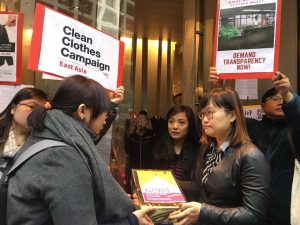
AMSTERDAM – A campaign led by Human Rights Watch, Clean Clothes Campaign, and International Labor Rights Forum is calling on Armani, Primark, Urban Outfitters, Forever
NEW YORK – Six leading apparel brands, Target, Esprit, New Balance, Puma, Gap Inc and Inditex, have shared their supplier lists with two NGOs, the US-based

We’re all ethical shoppers right? Well not quite. New research shows 78 per cent of us base our purchasing decisions mainly on price. The EY
