

News
Clothing/textiles 4th largest consumable in EU
BRUSSELS – A new European Union briefing suggests that for water consumption and the use of primary raw materials, clothing,





BRUSSELS – A new European Union briefing suggests that for water consumption and the use of primary raw materials, clothing,

LONDON – We sent a copy of our recent cotton paper to all industry bodies mentioned in it, including Textile
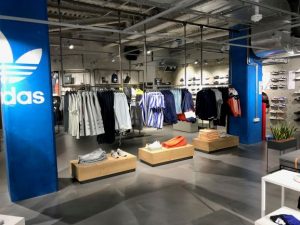
LONDON – For the second year running, German sportswear giant Adidas has topped a benchmark which assesses the performance of

DUBLIN – The owner of one of the world’s most successful fashion retailers, Primark, has defended the fast-fashion industry by
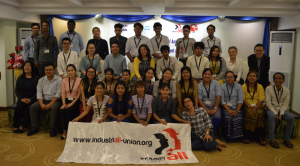
YANGON – A worker rights initiative in Myanmar, backed by H&M, Inditex, Bestseller New Look, Next, and Tchibo, has reached

GENEVA – The Better Cotton Initiative will potentially revise its policies with the aim of preventing and detecting forced labour
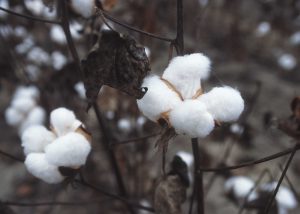
XINJIANG – Reports that public sector workers in Uzbekistan are still being forced to help with the annual cotton harvest

GOTHENBURG – For the first time ever, perfluorinated chemicals, or PFAS for short, will be included on a list of

GENEVA – The world’s largest apparel retailer, Inditex, says it will share best practices in labour rights after renewing a




ARTEIXO – Sales jumped by ten per cent at the world’s largest fashion retailer, Inditex, in the first nine months of 2017, to €17.96bn. The
STOCKHOLM – H&M has taken a significant step towards increasing its share of the burgeoning Chinese apparel market by expanding its collaboration with Alibaba. H&M
WASHINGTON – US polyester manufacturers have applauded a decision by the US Department of Commerce to apply tariffs to fine denier polyester staple fibre (fine
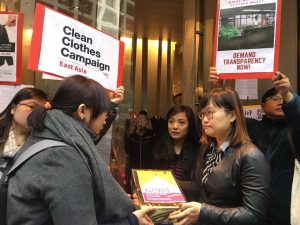
AMSTERDAM – A campaign led by Human Rights Watch, Clean Clothes Campaign, and International Labor Rights Forum is calling on Armani, Primark, Urban Outfitters, Forever
NEW YORK – Six leading apparel brands, Target, Esprit, New Balance, Puma, Gap Inc and Inditex, have shared their supplier lists with two NGOs, the US-based

We’re all ethical shoppers right? Well not quite. New research shows 78 per cent of us base our purchasing decisions mainly on price. The EY
