

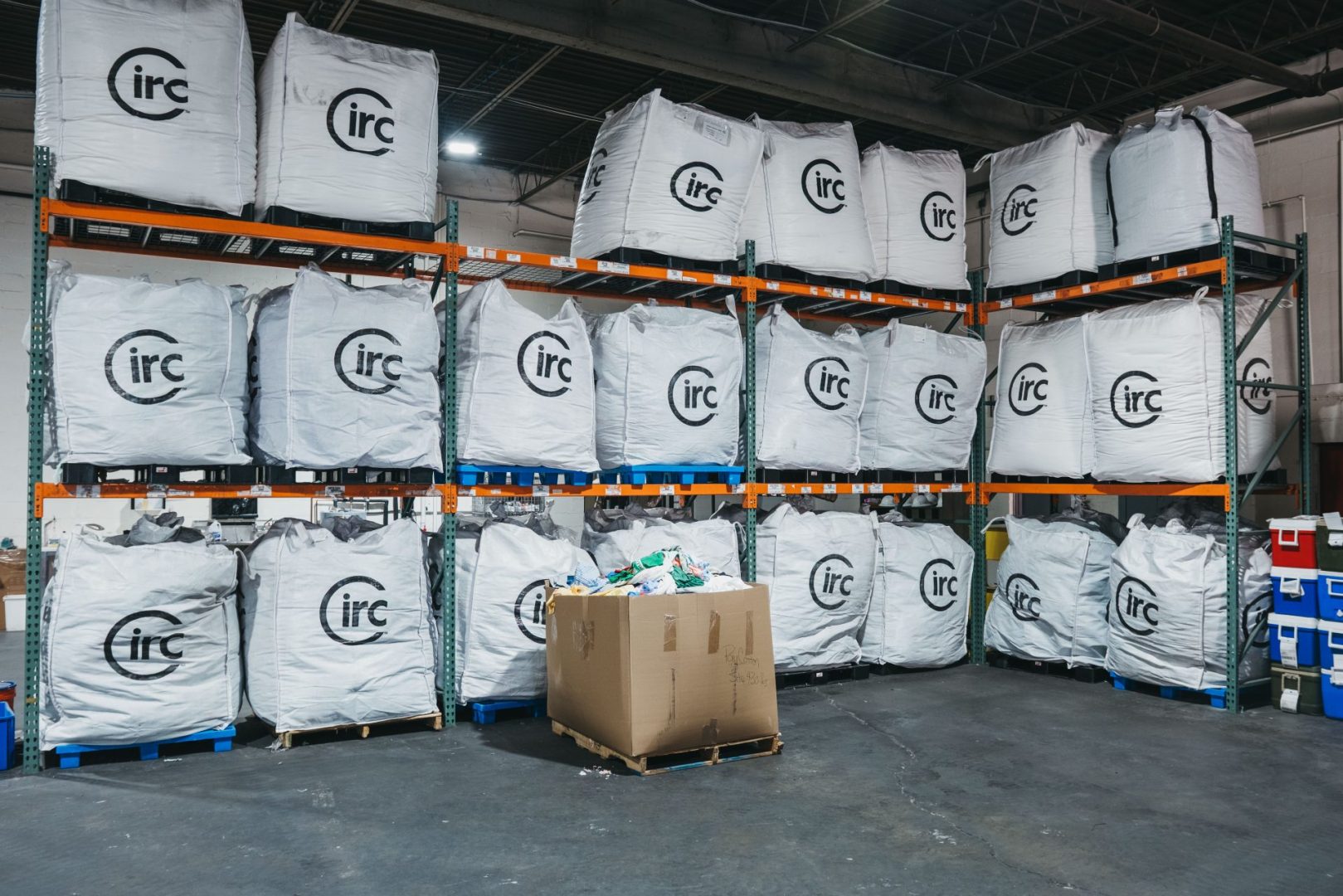
SAINT-AVOLD – Textile recycling business Circ says it has secured 85 per cent of the feedstock for its planned polycotton recycling plant in north-eastern France. Factory scraps account for 58 per cent of projected requirements and discarded consumer textiles for a further 27 per cent, according to the company’s environmental permit application.
The filing says Circ has agreements with some suppliers and is still negotiating with others. It gives no breakdown of how much tonnage is covered by signed contracts. The countries identified as sources include France, Germany, Bulgaria, Slovakia and the United Arab Emirates.
Circ expects the Saint-Avold plant to receive 79,900 tonnes of textile waste a year. It aims to process 71,000 tonnes annually after sorting, leaving a gap of 8,900 tonnes between incoming material and the volume expected to meet its specifications.
Circ said in June that the plant would initially rely on imported factory scraps. It envisaged raising the post-consumer share to 50 per cent within three to five years of opening and to 100 per cent after about a decade.
The permit filing gives a clearer picture of the supply Circ has lined up so far, with factory scraps accounting for more than twice the share attributed to discarded consumer textiles.
Reaching Circ’s longer-term target will require a substantial increase in the supply of used clothing and other textiles that can be collected, sorted and delivered to the plant in line with its specifications.
However, that looks like being a huge challenge given the ongoing problems facing collectors and sorters in Europe, where some in the trade are going out of business or reducing collection bins.
