

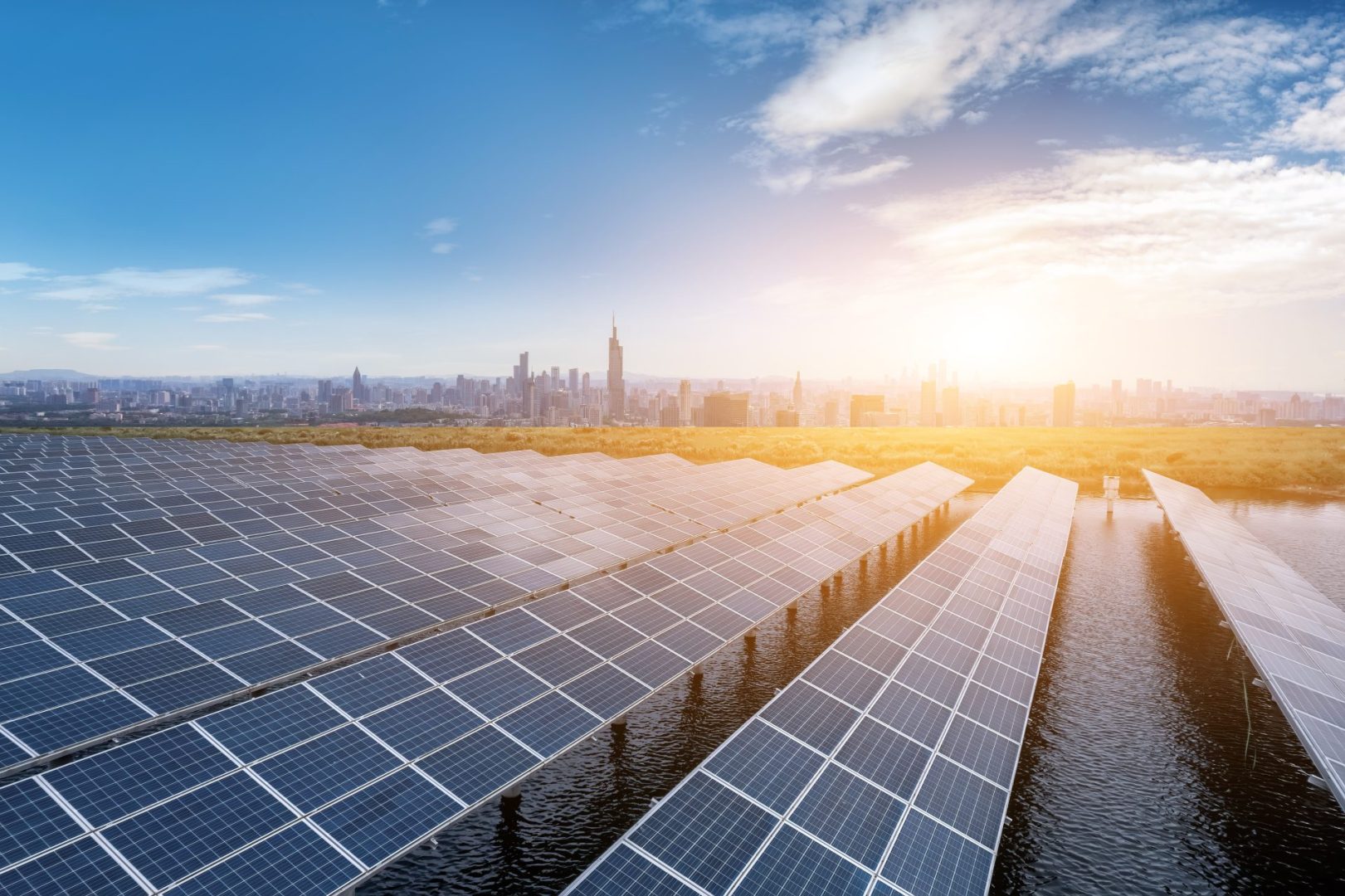
DHAKA – A report of Bangladesh garment factories found solar panels supply just 2 per cent of energy needs where they are installed. A new 339-factory assessment exposed a huge gap between installing panels and cutting reliance on conventional energy.
Around 29 per cent of factories in the sample had solar panels, but the median system supplied only about 2 per cent of the energy used by a factory with solar. The study estimates rooftop solar could eventually provide 175-350 megawatts across the sector, equivalent to roughly 11-22 per cent of its grid electricity requirements under two cautious scenarios.
The findings come from the BRAC Institute of Governance and Development (BIGD), which carried out on-site technical assessments at 339 factories selected from the Mapped in Bangladesh database of 3,320 plants. The report authors claim this is the first representative energy baseline for the country’s export-oriented garment sector.
Its sample included a bias towards larger factories affiliated with BGMEA, while the researchers tested representativeness against the wider database and applied weighting where needed.
The solar figures suggest that a factory can have panels on its roof while still meeting almost all its energy demand through other sources. BIGD’s separate solar brief suggests adoption rises sharply with factory size, is concentrated among BGMEA-affiliated factories, and is lower in the Chattogram cluster.
It recommends tracking actual electricity generated, rather than treating installed panels as “proof of meaningful energy substitution.”
The issue is addressed in-depth in the report’s findings on measurement. ‘Sub-metering’ means installing meters below a factory’s main electricity meter, so managers can see how much energy is used by different parts of the operation- for example, sewing lines, lighting, boilers or compressors. Without those readings, a factory may know its overall energy bill but struggle to identify which processes use the most power, spot waste or tell whether an efficiency upgrade has worked. BIGD found that 93.7 per cent of assessed factories had no sub-metering below the main meter.
The report also points to practical efficiency gaps. It suggests that although lighting had largely shifted to LEDs and sewing motors had mostly been upgraded, it identified over-lighting, limited heat recovery and a lack of variable-speed drives on auxiliary motors. T
BIGD’s assessment also found that 86 per cent of factories used diesel generators, highlighting that energy planning must consider more than solar panels alone.
The report’s recommendations include expanding sub-metering and using energy data to target improvements; reducing over-lighting; recovering heat where feasible; and installing variable-speed drives on auxiliary motors.
On solar, the accompanying BIGD brief recommends targeted finance, group purchasing and shared engineering support for small and medium-sized factories, a dedicated programme for Chattogram, and making net metering the default design. Net metering allows factories to feed surplus solar electricity into the grid and receive credit under the applicable arrangements.
Source: BIGD’s 339-factory energy assessment and rooftop solar brief. BRAC Institute of Governance and Development
