

News
Dire warning from Bangladesh garment chief
DHAKA – Millions of garment industry workers face being laid off in Bangladesh if brands continue to cut and run





DHAKA – Millions of garment industry workers face being laid off in Bangladesh if brands continue to cut and run
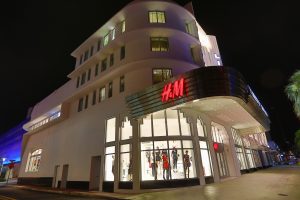
STOCKHOLM – H&M has warned it expects to make tens of thousands of lay-offs, as it decided to cancel its

GENEVA – COVID-19 could cost 25 million jobs globally claims a new assessment by the International Labour Organisation. The startling

HAMILTON – Wool biodegrades to a high degree in the aquatic environment, while synthetic fibres such as nylon and polyester

NORTH CAROLINA – Chronic exposure to microplastic fibres causes aneurysms, erosion of surface layers and other serious damage to fish

LONDON – Shares prices of the world’s leading apparel brands have plummeted over the past month amid stores closures and
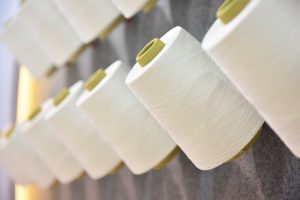
SHANGHAI – Sateri, the world’s largest producer of viscose, has successfully produced on commercial scale viscose fibre regenerated from textile

LONDON – The Better Cotton Initiative has announced there will be no licensed Better Cotton from Xinjiang, Western China next

NEW YORK – New research has for the first time ever calculated the CO2 impact of the big four fashion




ARTEIXO – Sales jumped by ten per cent at the world’s largest fashion retailer, Inditex, in the first nine months of 2017, to €17.96bn. The
STOCKHOLM – H&M has taken a significant step towards increasing its share of the burgeoning Chinese apparel market by expanding its collaboration with Alibaba. H&M
WASHINGTON – US polyester manufacturers have applauded a decision by the US Department of Commerce to apply tariffs to fine denier polyester staple fibre (fine
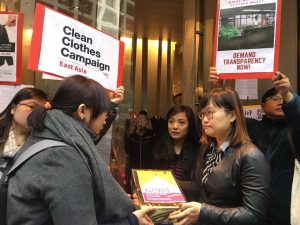
AMSTERDAM – A campaign led by Human Rights Watch, Clean Clothes Campaign, and International Labor Rights Forum is calling on Armani, Primark, Urban Outfitters, Forever
NEW YORK – Six leading apparel brands, Target, Esprit, New Balance, Puma, Gap Inc and Inditex, have shared their supplier lists with two NGOs, the US-based

We’re all ethical shoppers right? Well not quite. New research shows 78 per cent of us base our purchasing decisions mainly on price. The EY
